HIJAMA & CUPPING THERAPY | MANCHESTER
Hijama & Cupping Therapy in Manchester
Discover traditional cupping therapy at Healing Hub MCR, with dry cupping, wet cupping (Hijama) and fire cupping available from our Manchester clinic. Each appointment begins with a consultation so your practitioner can understand your goals and guide you towards the most suitable cupping approach.
30 Minutes
SESSION LENGTH
FROM £30
PER SESSION
CUPPING THERAPY EXPLAINED
What is Cupping Therapy?
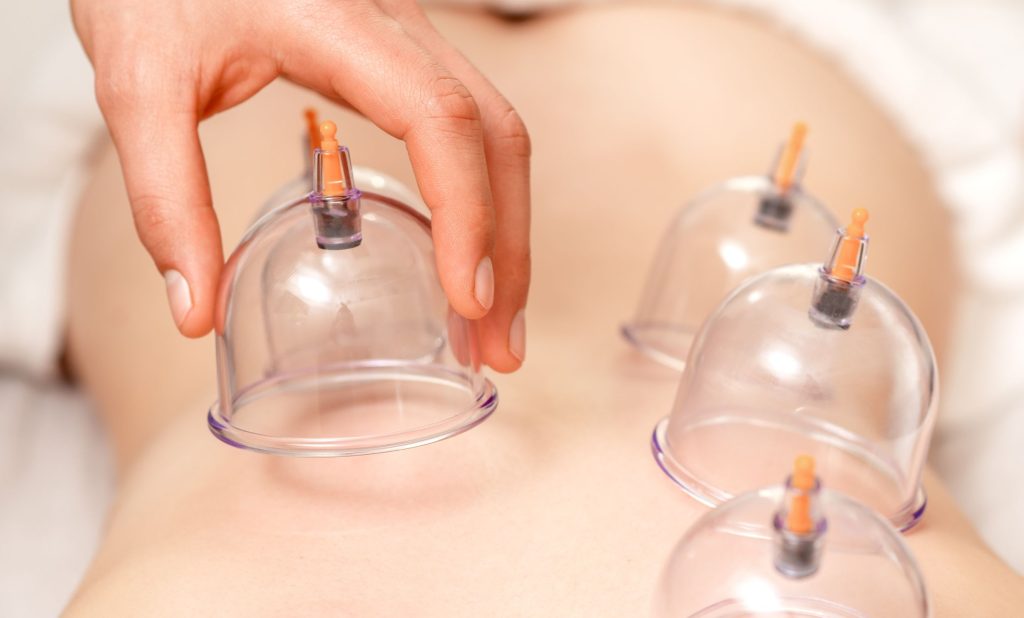
Cupping therapy is a traditional practice that uses cups placed against the skin to create suction. The suction gently draws the skin and underlying tissue into the cup, and the cups are then left in position for a short period or moved across an area depending on the technique being used.
There are several forms of cupping. Dry cupping uses suction without breaking the skin, while wet cupping — commonly known as Hijama — involves small superficial openings in the skin followed by suction. Fire cupping creates the vacuum by briefly heating the air inside a glass cup before it is placed onto the skin.
Three Types of Cupping
Wet Cupping (Hijama)
Light incisions are made to remove old, stagnant blood and support detoxificiation.
Dry Cupping
Creates suction on the skin to stimulate blood flow, ease tension and support recovery.
Wet Cupping (Hijama)
Heat is used to create suction inside the cup for deeper muscle relaxation.
benefits of cupping therapy
Why Choose Cupping Therapy?
01
Muscle Tension
The suction and soft-tissue focus of dry cupping makes it a popular choice for people looking to complement massage or other approaches to muscular tension and stiffness.
02
Relaxation
Many clients incorporate cupping into a wider self-care and wellness routine, particularly when they want time to slow down and focus on their body.
03
Traditional Practice
Cupping has been practised for centuries across different cultures. Hijama in particular has longstanding significance within Middle Eastern and Islamic traditional practice.
04
Personalised Treatment
Your session is adapted to you. Your practitioner can discuss the areas you would like to focus on and whether dry, wet or another form of cupping is appropriate.
YOUR APPOINTMENT
What happens during a Cupping Session?
01
Consultation
Your appointment begins with a conversation about your health, current medication, previous cupping experience and what you’re hoping to get from your session. This also helps your practitioner check whether cupping is suitable for you.
02
Preparation
The treatment area is prepared and your practitioner explains which cupping technique will be used. For wet cupping, additional hygiene and skin-preparation steps are required.
03
Cupping
Cups are positioned on the agreed treatment areas and suction is created. The exact process differs between dry cupping, wet cupping and fire cupping, and your practitioner will explain what to expect throughout.
04
Aftercare
Once the cups are removed, the area is checked and cleaned where necessary. You will be given relevant aftercare advice before leaving the clinic.
HIJAMA & CUPPING FAQs
Questions About Hijama & Cupping Therapy
What is Hijama?
Hijama is another name commonly used for wet cupping. During wet cupping, suction is applied to the skin and small superficial openings are made before a cup is reapplied so that a small amount of blood can collect within it. It differs from dry cupping because dry cupping does not break the skin.
What is the difference between Hijama and cupping?
Cupping is the broader term for treatments that use cups and suction. Hijama generally refers specifically to wet cupping. Other forms include dry cupping, fire cupping, running cupping and flash cupping.
What is the difference between dry and wet cupping?
Dry cupping creates suction while leaving the skin intact. Wet cupping/Hijama involves making small superficial openings in the skin before suction is reapplied. Because wet cupping breaks the skin, additional infection-control precautions are required.
Does cupping hurt?
Experiences vary. Suction can feel tight or unusual and the treatment area may feel tender afterwards. Wet cupping involves superficial skin openings and may cause additional temporary discomfort. Tell your practitioner immediately if you feel excessive discomfort at any point.
Is Hijama safe?
Hijama involves breaking the skin, so hygiene and infection control are particularly important. Wet cupping can carry risks including bleeding, infection, skin reactions and, with repeated blood loss, anaemia. Your practitioner should assess your suitability before treatment.
Does cupping leave marks?
Yes, cupping commonly leaves temporary circular marks where the cups have been positioned. The appearance and duration can vary between people and between treatment areas. Persistent skin discolouration and scarring are also recognised possible side effects, although these are less common.
Who should avoid cupping therapy?
Cupping will not be suitable for everyone. Your practitioner should review relevant medical conditions, medications, skin conditions and other contraindications before proceeding. If you have an existing health condition, are taking medication or are uncertain whether cupping is appropriate, speak with an appropriate healthcare professional before treatment.
How often should I have Hijama or cupping?
There is no universal schedule that is appropriate for everyone. Frequency depends on the type of cupping, your reasons for attending and your individual circumstances. Your practitioner can discuss an appropriate approach with you rather than automatically recommending a fixed number of sessions.